Category Archives: ostomy

What Are the Common Reasons for a Colostomy?

Your surgeon or doctor may recommend you a colostomy surgery for various reasons. Generally, the reasons fall into the categories of either illnesses or injuries. But no matter what the reason may be, the most common thing that prompts a surgeon opting for the colostomy surgery is that your colon is not capable of eliminating stool through the rectum.
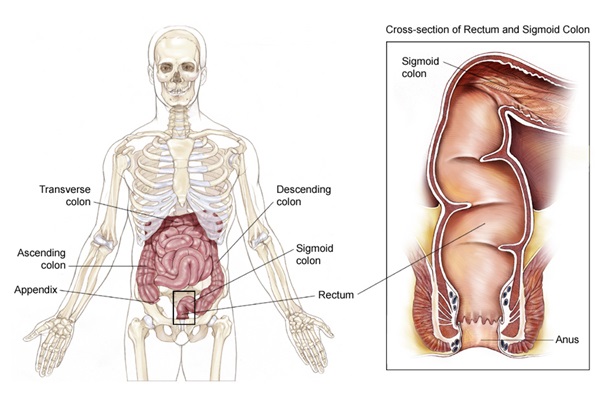
Now, the idea of carrying a colostomy bag is certainly not a pleasant one and you might be thinking about the embarrassing situation in case the people around you get to know about your condition. But the matter of fact is that you are not alone in this. There are thousands of people living with this life-changing situation. And what’s quite interesting here is that not many people get to know about the colostomy bag a person may carry. Now that’s where you can take comfort.

The most important thing about colostomy is that it’s not something that should cause embarrassment. It is a procedure which tends to be helpful for you to get healthy and active again. So there is no reason to let your colostomy become something it is not meant to be. And if you are worried about the possibility of other people having a guess that you are carrying a colostomy bag, the colostomy bags available now days are engineered quite smartly to help you conceal your condition in the best way possible. There is no way others will be able to know about your condition unless you tell them yourself or, of course, you are not being careful with the application of pouching system.

Now, we will have a brief look at why you may need a colostomy.

Cancer

As scary as it sounds, cancer is one of the biggest reasons for a person to have colostomy. Colorectal cancer is the type of disease that can lead a person needing a portion or the entire colon to be removed. A colostomy may be used for the cancer treatment in this regard.

Diverticular disease

In certain cases the colon may develop severe pockets of inflammation. Such conditions can result in a person needing colostomy.

Trauma

Any incident that involves penetration of an object into the abdominal area can lead to severe trauma to the colon. This situation can be quite life-threatening especially when there is a risk of stool leaking out from the colon onto other organs. The immediate fix in this regard is the colostomy procedure in which the damaged portion of the colon is removed or bypassed.

Tips for Caregivers to Cope With Surgery Anxiety

An ostomy surgery is quite stressful. We often talk about the patients who get ostomy. Surely they need attention because they are the ones suffering more from this condition. But let’s not forget that caregivers also have a heck of a job to do. They might not be suffering from the medical condition but they have to adapt to the new routines in which someone else is depending on them.

If you are a person who has to take care of a loved one who is an ostomate, you probably have an idea how stressful it might get from both physical and mental perspectives. An ostomate depends upon his/her caregiver both physically and psychologically. If you have a job of being a caregiver for one of your loved ones, you may know the importance of being physically active and mentally strong more than any other person.

The bottom line is that you matter too. You are a part of this process and, so, you need to be taken good care of. You may not be the one getting an ostomy surgery but you are definitely going to have to go through the surgery anxiety if you are not ready for what’s coming.

The most important thing to consider in this regard is the self-care. Having that said, there are some tips that you may find very helpful for you as a caregiver.

Sleep

  • Get your 8 hours of sleep no matter what. If you are sleep deprived, you are not much useful.
  • Don’t forget to take a nap during the day.
  • During post-operation period, you can just go home and have a sleep for the entire night. Nurses and doctors will take care of the patient.

Eat well

  • Pay attention to your diet. Avoid having any kind of junk foods, sweet, and comfort foods.
  • Focus on the intake of well-balanced diet consisting of fruits, vegies and lean proteins.
  • Drink plenty of water.
  • Whenever you feel necessary, move away from the bedside and eat something to energize your body.

Exercise

  • Never ever skip on daily exercise.
  • After being on your loved one’s bedside for a while, walk out of the hospital premises and have a brisk walk.
  • You can remain less stressed by staying alert. Physical activity is very important to achieve that.

Educate yourself

  • Caregivers are given special instructions and education about the right way to take care of their loved ones without getting exhausted. Make sure that you have got that training.
  • Stay updated with the help of reputable online resources of information.
  • Do not pay attention to any negativity and misinformation.